The Australian Smart Guide to Right Blinds
Wiki Article
Secure & Sound The Australian Non-Negotiables In The Field Of Child-Safe Blinds
Security is a top priority in the quest to find the ideal home. It shouldn't be a secondary consideration. It is imperative to ensure that windows are placed in a safe and secure manner. In Australia the reality is that looped or loose blind cords and chains can pose an unnoticed strangulation hazard to babies and children. The safety standards for the nation are more than guidelines. They are a blueprint for prevention. Understanding these standards isn't just an aspect of purchasing blinds, it is the most critical aspect of the buying process. We must go beyond buzzwords in order to get a better understanding of child safety on the Australian blinds market.
The Australian Competition and Consumer Commission enforces a strict code of conduct on all internal corded blinds. The Australian Competition and Consumer Commission (ACCC) enforces a strict, mandatory standard for all window coverings. The fundamental purpose of the standard is clear. Any new blind or curtain that you buy must have critical safety features pre-installed or must be cordless. The standard does not limit to only the product. It also includes directions for the installation. The responsibility for ensuring compliance should be shared by both the installers and the suppliers. Your role as a consumer lies in your ability to know and ask for what you want.
What does the reality of compliance look? The solutions are grouped into three clear categories, each having distinct strengths.
Cordless designs as well as motorised ones. This is the ultimate elimination of the hazard. Cordless roller shades or panel glides work by making use of a simple push-pull mechanism or a side winding crank. Motorized blinds can be operated from a distance or via smartphone. They offer absolute safety and convenience. They can be more expensive however the peace of mind that they bring is priceless. The future is now for window blinds. If you own a space where your child sleeps or plays, this is the first thing to take into consideration.
Second, Compliant cords and chains with safety Devices. If the style has chains or cords are practical, such as Venetians or vertical blinds the norm requires built-in safety features. Make sure to look for tension devices that are at a minimum. They are usually cleats or similar devices that are permanently fixed to the window or wall frame, around which the cord has to be tightly wound and secured at the end of every adjustment. The cord should always be short and taut. Safety tassels, also known as breakaway connectors, are a different feature. It's a tiny device that is integrated into the cord and is created to break a potentially dangerous loop with a slight pressure. It's an essential failsafe. It is unacceptable to accept blinds that are put in a bag and then discarded. They must be preinstalled and installed correctly by the company that supplied them.
Third, professional installation is Critical. This is where many well-intentioned safety measures do not work. Blinds that are not installed correctly isn't safe. Professional installers, trained in standards, know the best place for tension devices to be put in a place that is out of reach of climbing toddlers and at a minimum 1.66 metres over the floor. They ensure that cords are cut at the correct, minimum length. They will secure firmly the blind to ensure it won't slide off. They must conclude the installation by demonstrating clearly how to operate the blind properly and to maintain the safety features. Even if you're skilled, you may overlook these crucial steps when you're working on your own DIY work.
It is important to be proactive when negotiating with a blinds company. Don't just ask "Are blinds child safe?" The term "child-safe" is frequently misinterpreted. Instead, ask specific questions such as: "Can i see which safety features are installed in the product that are compliant with AS/NZS 6335.2.7?" "Will your installer put the tensioners permanently on the wall and show their use?" "If this device has a cord, what is its maximum length when it is stored properly and is it equipped with an escape safety tassel?" A reliable company will accept inquiries like these and provide with clear answers. Be wary of any company that is vague, dismissive, or suggests that providing the cleat separately is sufficient to satisfy.
It's also essential to look at the blinds you have currently. While the standard of mandatory is only applicable to new blinds, the threat persists in many homes. It's imperative to act if you own older blinds that have cords looped. Window Covering Council of Australia and other major hardware stores provide free retrofit safety kits which contain cleats, breakaway devices and cleats. Installing them is a straightforward and essential task for a weekend. Rearrange your bedroom layout. Never put a high chair playpen, cot, or other furniture that a child could climb on near a window in which there is a cord that connects to the blind. The cord can be entangled swiftly and quietly.
In the end, selecting blinds that are safe for children is a matter to be vigilant about use in Australia. It is crucial to ask questions regarding the mechanism and not just the fabric. It's about assessing a supplier's understanding of the standards as much as their colour selection. The cheapest option could have unexpected cost-savings. The basic is a solid frame, but its efficiency depends on making an educated choice and ensuring that it is installed correctly.
The investment you make in blinds that conform with the law will result in an uncluttered home. It allows you to enjoy the light control as well as the style and security that you desire while knowing you have eliminated a hidden threat. It turns your windows from dangers into a backdrop that is safe for your family members to grow. In the landscape of parenting choices it is among the most clear: always go cordless, always go for compliant and do not compromise the quality of installation. Your child's safety is literally in the of the balance. Read the top rated blinds for more info including custom blinds australia, high quality blinds, blinds direct blinds, blinds direct, you blinds australia, made to order blinds, discount blinds direct, blinds dir3ct, hi blinds, custom shaped blinds and more.
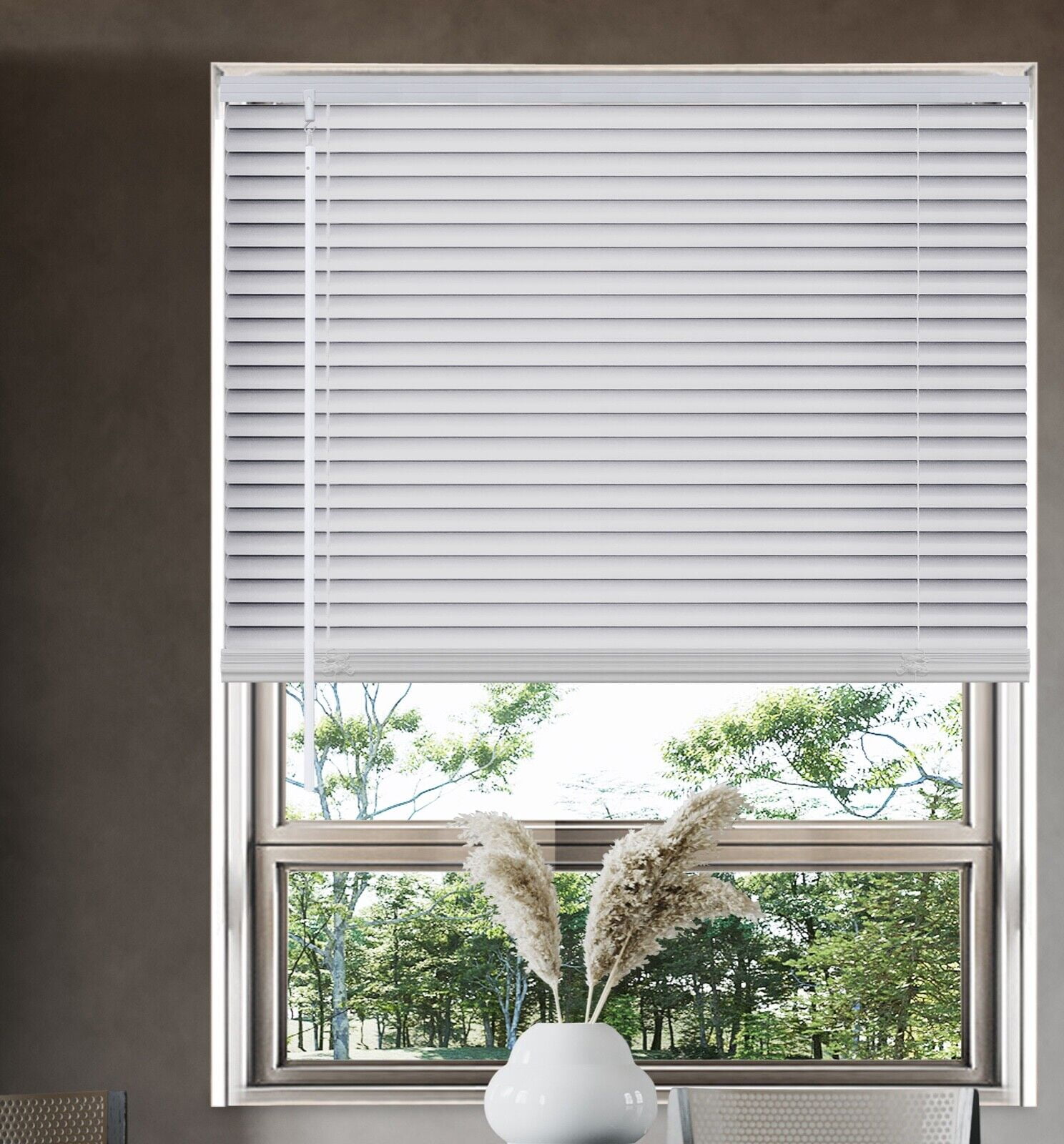
The Fine Print The Fine Print: Understanding Warranties That Aren't Visible Before You Purchase
In the final stages of choosing blinds for your Australian home, when the fabric samples are narrowed and quotes are compared, one critical document often gets just a glance before it is put away: the warranty. The warranty is usually described as a guarantee, or a badge for quality. Yet, in practice the warranty is not a general guarantee of satisfaction, but rather a legally binding contract that precisely defines the limits of the responsibility of a company's. When it comes to blinds -- a product combining textiles, mechanics, and electronics, subjected to the constant glare of Australian sun, salt, and usage--understanding this fine print is the difference between a secure investment and a costly learning. The worth of a warranty is not in how long it is, but rather in the scope of coverage it provides.
First, and perhaps most often, people are focused on the length of the warranty. "A five-year warranty" may sound impressive but it is not clear what exactly is covered. A robust warranty will explicitly divide the coverage into distinct categories as each component faces various failure scenarios. The warranty on fabric or other material is required to cover manufacturing defects, including the delamination and weaving of the fabric and premature fade. In Australia this is crucial. Watch out for the use of ambiguous words. This warranty will be invalid in the event that the fabric is used in an exterior application or in consistently damp areas that are not ventilated, highlighting the relationship between your choice of climate and your coverage.
The mechanical component warranty is separate and covers only the parts that work. This includes the rolling mechanism for blinds with rollers; the tilt and lift system in Venetians; the ladders and cords. This warranty should cover breaks due to wear and tear of the materials or manufacturing flaws under normal operation. It is crucial to remember that the warranty will not be invalid if you adhere to the manufacturer's guidelines for maintenance and cleaning. You can also get a motor or electronics warranty on systems that are automated. This warranty is typically the least long (often 2 to 3 years even if your fabric is just 5 years old) and is an indication of modern technology. It should cover all parts including the receivers, motors, as well as any wiring.
The list of exclusions or terms is the most important and most often ignored part of your warranty documentation. The list of exclusions and conditions is where you will find your obligations. Common exclusions that immediately void warranties include:
Installation by anyone other than the authorized installer. This is one of the most significant. Even when the DIY installation is done correctly, it can be a breach of warranty since the manufacturer can't guarantee the operating environment and stress on the components.
Improper maintenance or use. As misuse, you can employ abrasive cleaners, push an unbalanced window blind to close, or fail to fix the simple problem of a tangled cord.
The term "fair wear and tear" or "gradual diminution in performance" is a term that is subjective that can be employed by manufacturers to deny assertions that mechanisms are wearing out because of frequent use.
Fading or damage due to extreme environmental conditions. If you install a non-coastal-rated blind right in front of the ocean the corrosion that is rapid will probably not be covered.
The warranty itself isn't a separate document. It is tied to the quality of the initial installation and after-sales support that the vendor provides. A warranty issued by a trusted local company with a good reputation is more valuable than the one provided by an online retailer. Local retailers have their own location and has installers whose work will be protected. Additionally, they have a connection with the manufacturer to speed up claim processing. It is in their best interest to honor warranty contracts to protect the reputation of the local community. It can be difficult to claim a claim against a distant entity. There are call centres and upload images. The technician may not show up.
If you're in the process of negotiating with suppliers, it's crucial to ask more specific questions than "Does your product have a guarantee?" Ask: "Can we see the warranty on my product prior to signing the contract?" Does the fade warranty cover the color I selected If yes What is the threshold for a valid warranty claim What happens when an electric motor malfunctions during the second year of use? Should the unit be repaired on site or does it need to be shipped to a regional service centre?
Australian Consumer Law (ACL), regardless of the warranty provided by the manufacturer, also ensures your purchase. ACL states that a product must meet certain requirements that it is suitable for the purpose it was intended, and correspond to the description. This is a safeguard beyond a warranty's expiration in the event that a major malfunction occurs that is not planned for at the time of purchase. ACL claims are more complicated to resolve than a straightforward warranty claim handled by the supplier.
A solid warranty is an indication of the trust the manufacturer has in its product. It's been tested according to Australian conditions. It's your official defense against defects. It's an insurance policy however it isn't able to cover every situation. Its power is unlocked by pairing it with a supplier of proven integrity who ensures that the installation is done correctly and serves as your advocate. It is not enough to possess a warranty document. You also need a clear, realistic path to resolution in the event of something unforeseeable happens. In Australia, the market that is subjected the harshest sun and the most intense sun, clarity is a necessity. It transforms a promise of tranquility into something tangible that is attainable.
